–
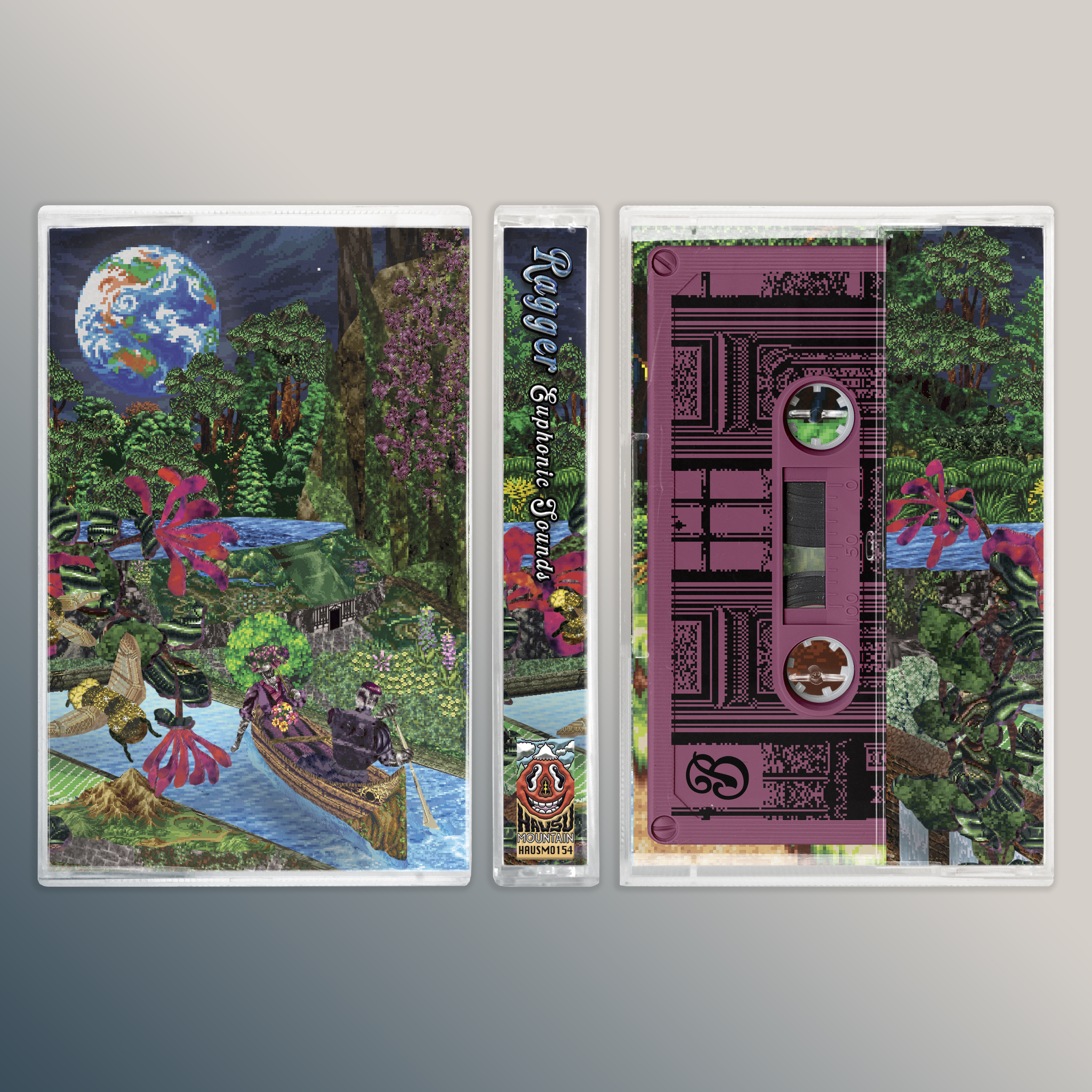
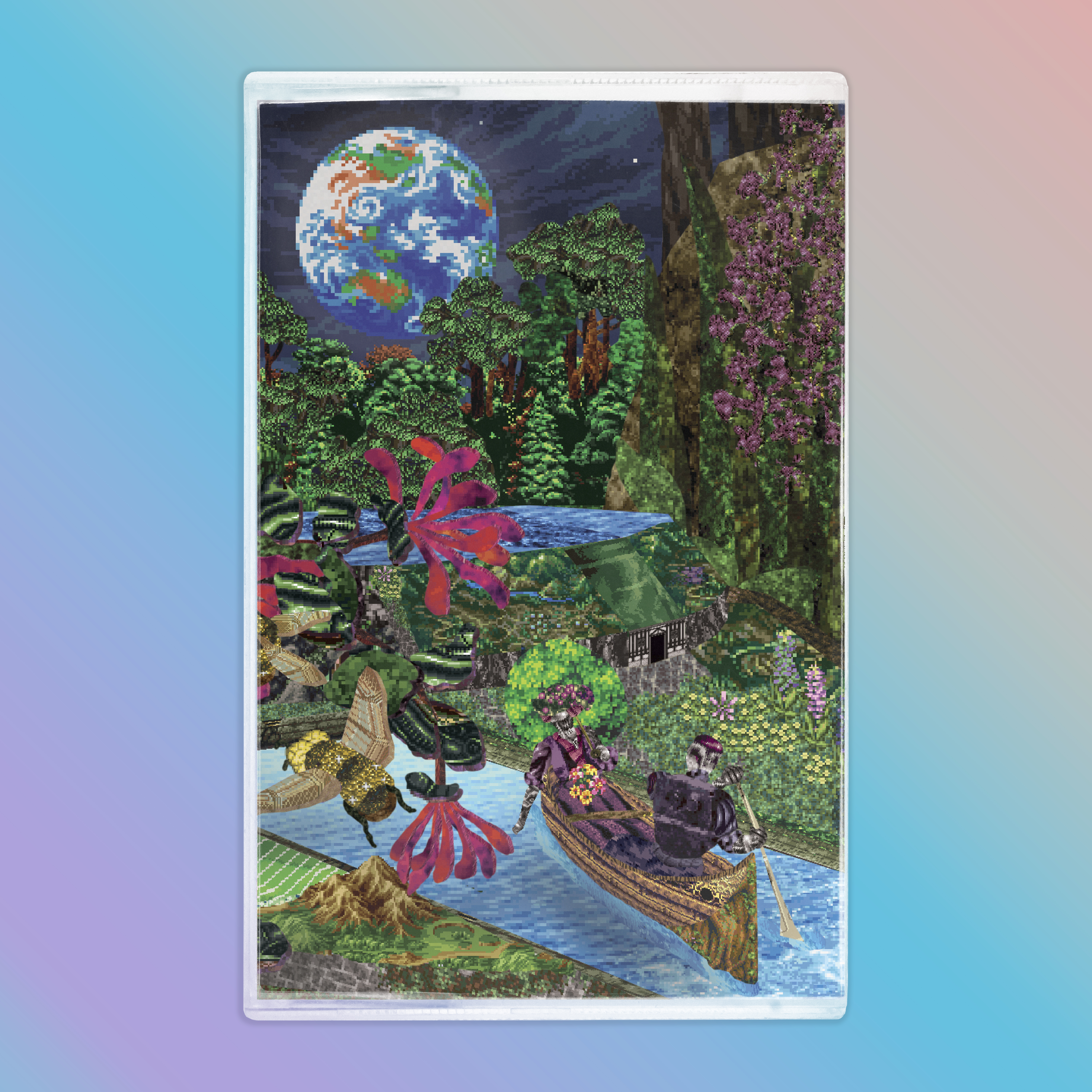
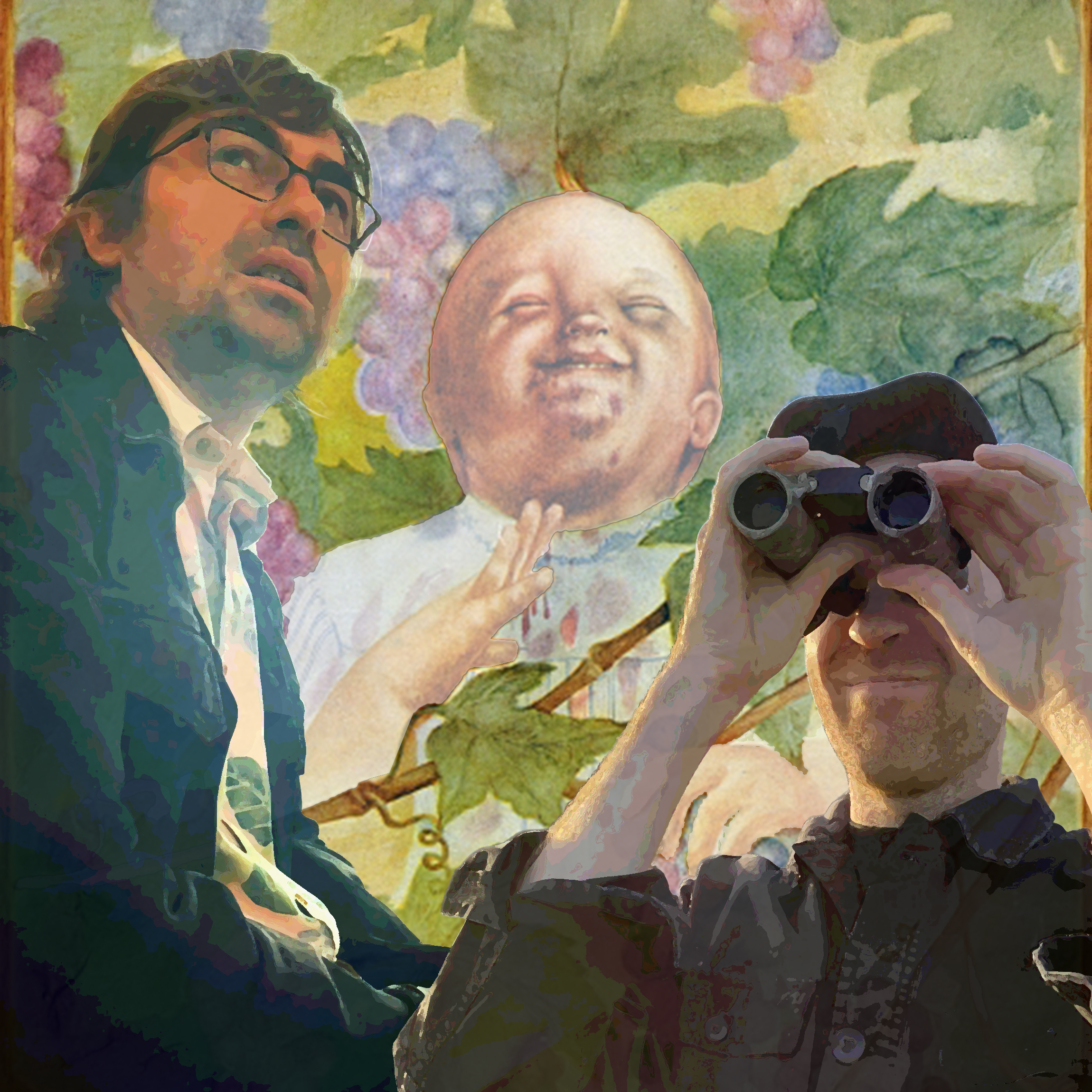
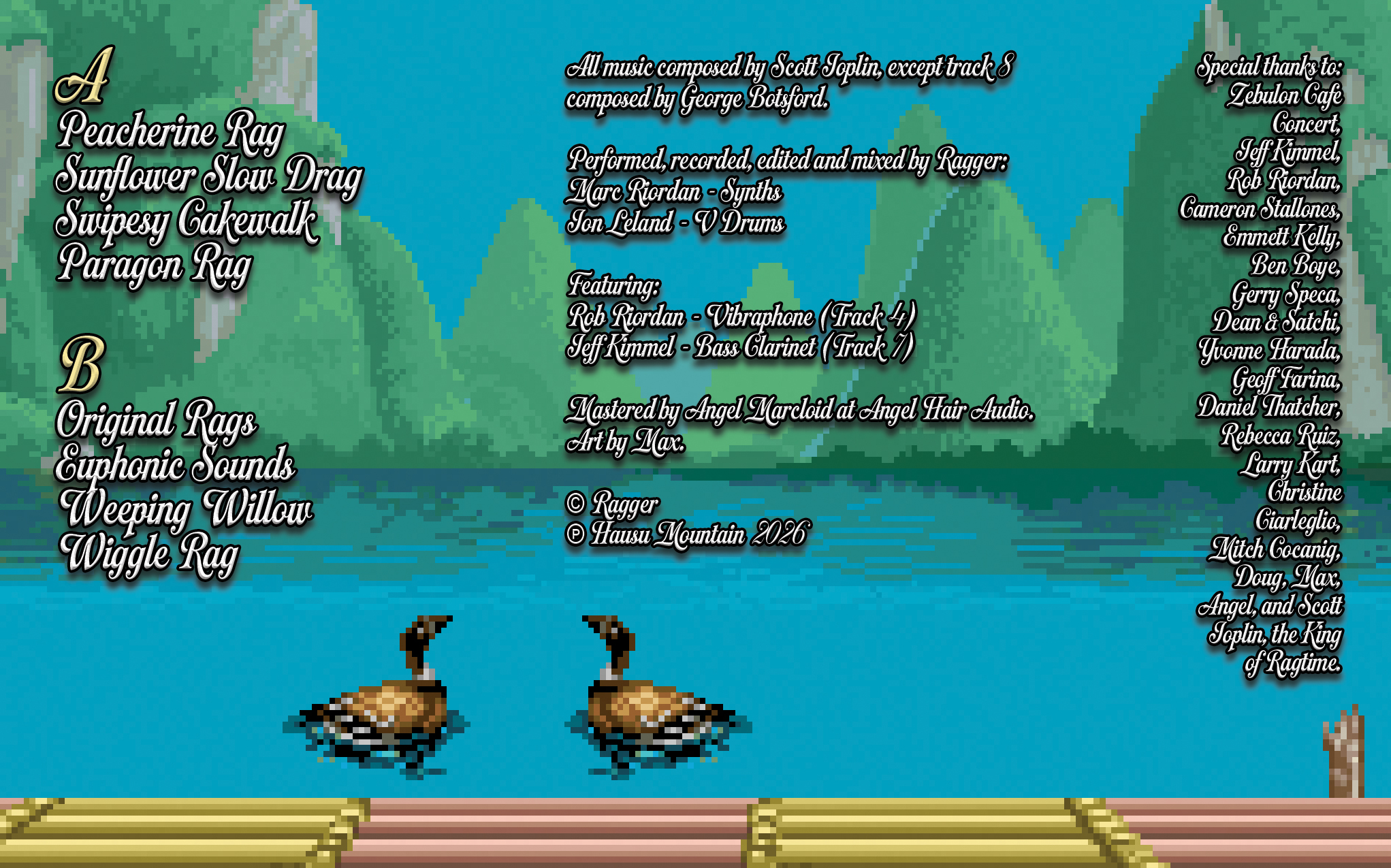
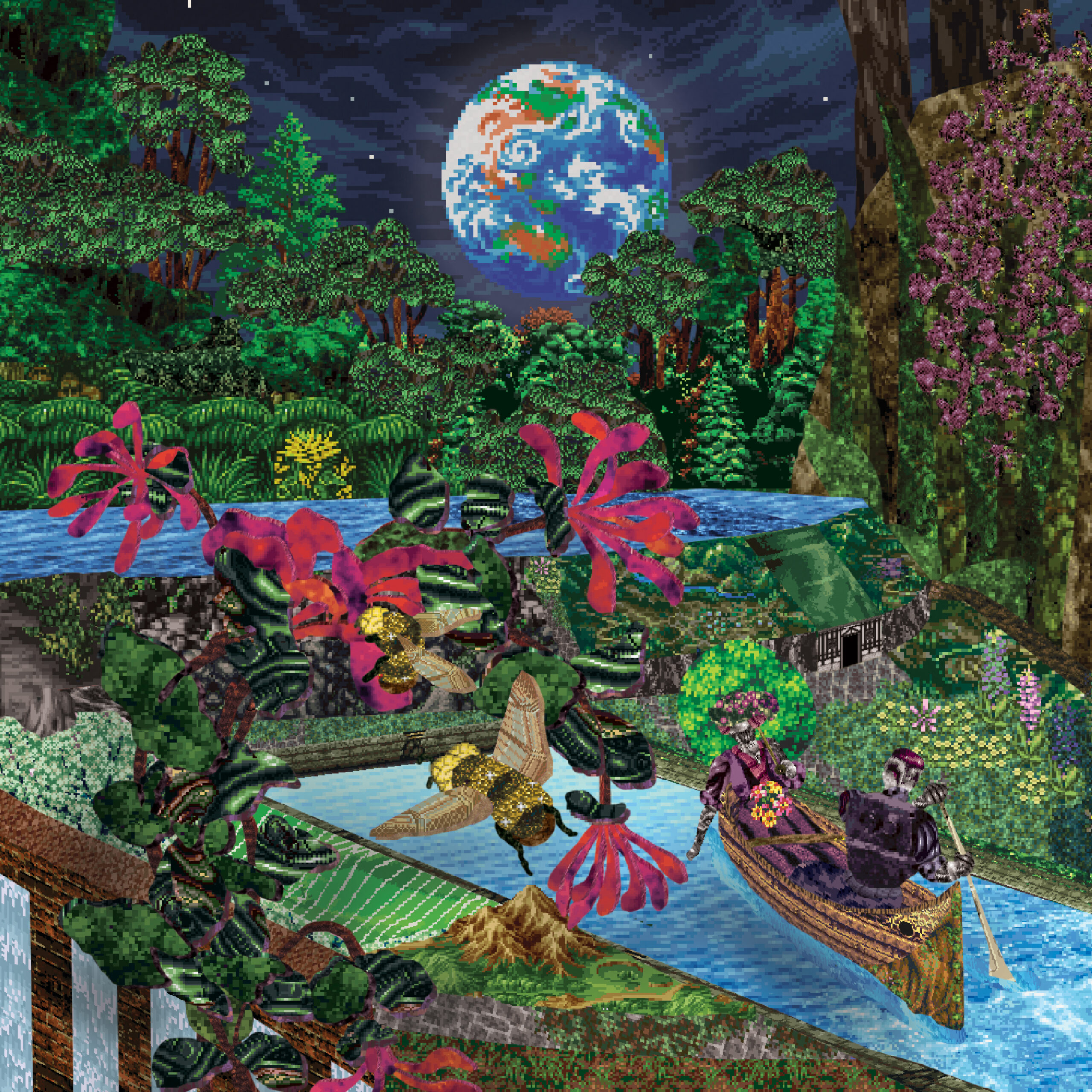
To be released on tape and CD on February 10th, 2026. Design by HausMo Max. Purple tape with black imprints packaged with a 2-sided 4-panel J-card. CD packaged in 4-panel gatefold digipak. This is the catalog page with album information and artwork. To purchase, head to our Bandcamp page.
–
–
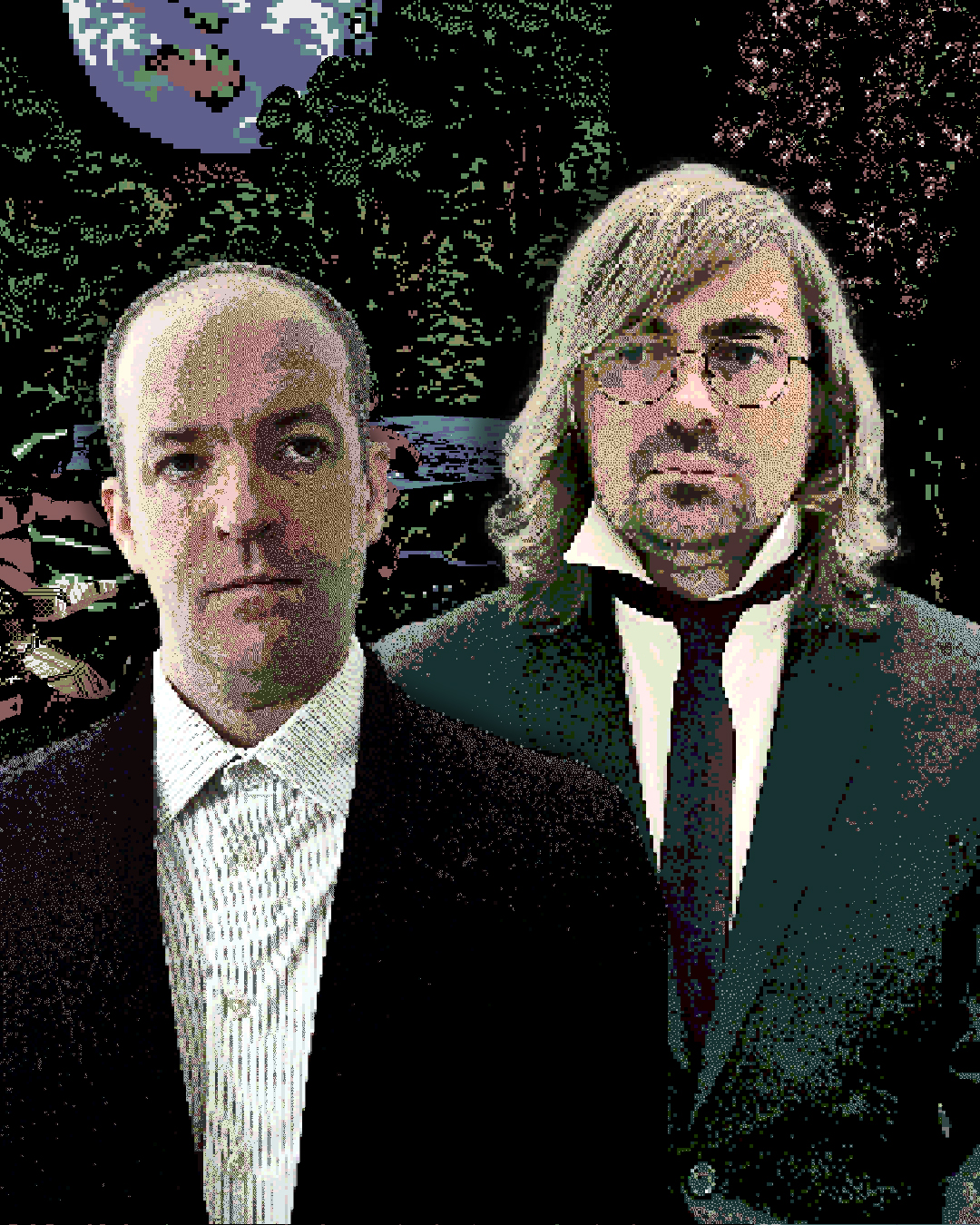
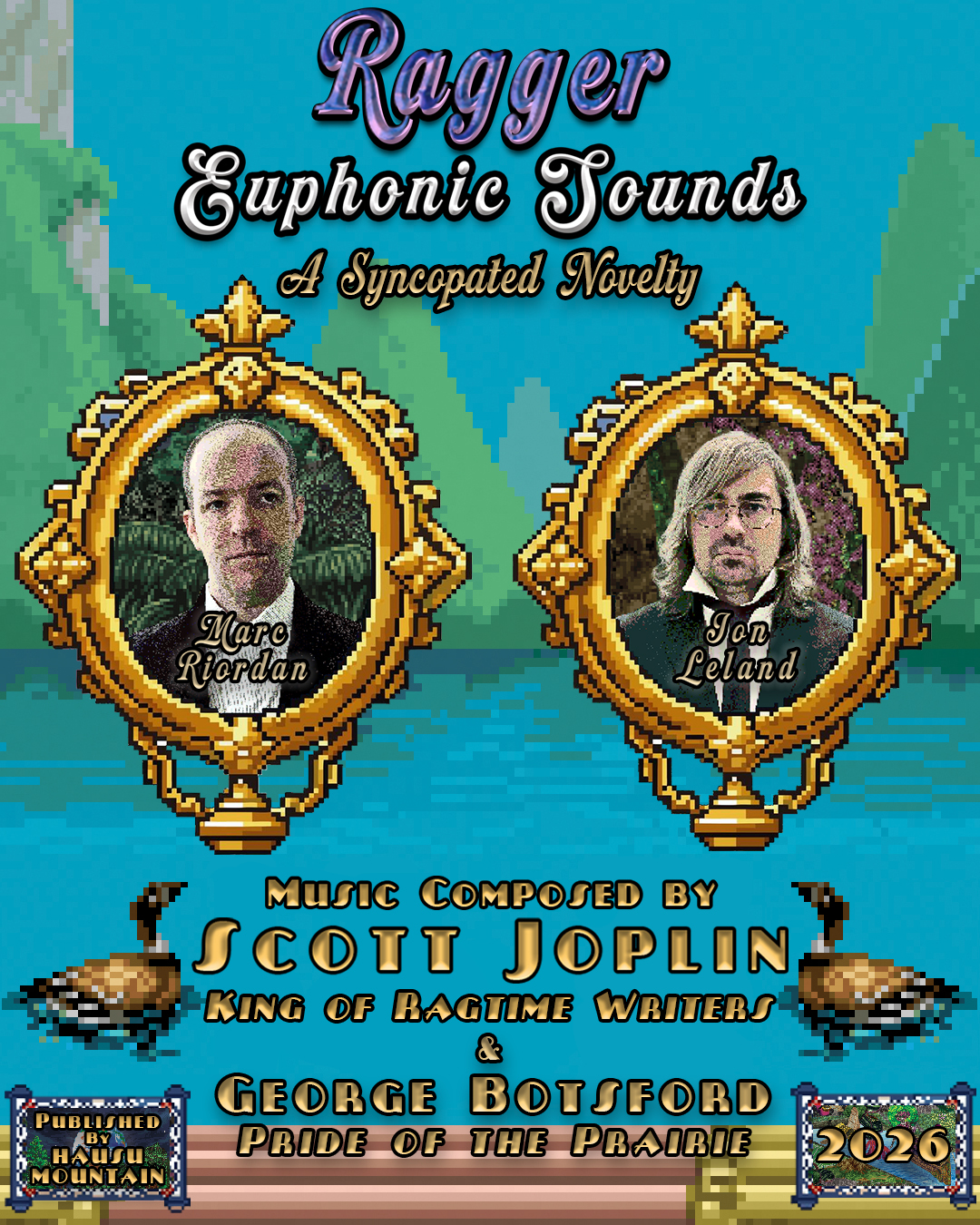
Marc Riordan and Jon Leland make music together under the name Ragger. Each are multi-instrumentalists and avid collaborators in their wide artistic practices: Riordan performed and collaborated with the likes of The Cairo Gang, The Red Krayola, Xiu Xiu, Owls, and Joshua Abrams before moving from his longtime home of Chicago to LA, while Leland performed with Janka Nabay and the Bubu Gang, Glasser, Amen Dunes, Steve Gunn, and Skeletons before moving from New York to LA and then to the Bay Area to begin a career in video game development. The two began collaborating in 2017 after being invited by Cameron Stallones to form the current trio lineup of his long-running luminary experimental project Sun Araw, with Riordan handling bass and lead synth parts and Leland on electronic drum kit. They formed Ragger shortly after meeting, performing as a duo for a bi-weekly residency in the front café of the noted experimental venue Zebulon in LA, with a very specific scope of material in mind: the ragtime compositions of Scott Joplin and his contemporaries, presented in synthetic tones for synthesizers and electronic V drums. Hausu Mountain is proud to introduce Ragger to the world with their first album of recordings in this style, Euphonic Sounds.
Riordan’s love of ragtime piano dates back to his early days in Chicago, where he found a book of Joplin’s collected rags during a rehearsal in the piano bench of journeyman keyboardist Ben Boye. Shortly after, he formed the acoustic quartet The Great Crush as a vehicle for close study of the particulars of the rag repertoire, a project that continued for the better part of a decade. Leland first dabbled in early American music as a teenage drummer in an extracurricular Dixieland jazz ensemble, and over the years developed an interest in electronic drum pads and machines. Through these lenses he creates percussion parts for Ragger’s takes on ragtime from a modern, purposefully ahistorical perspective (in the absence of drum parts in any original ragtime music). Drawing inspiration from the Switched-On series of releases by Wendy Carlos and video game music composers like Koji Kondo and Nobuo Uematsu as much as the head-spinning prog instrumentals of bands like Horse Lords and Cheer Accident, Riordan and Leland approach the Scott Joplin ragtime songbook without any interest in “reviving” the style or presenting an authoritative survey of the music’s history, but rather as a fun opportunity to inject their own varied musical interests into the framework of ragtime. In their own words, Ragger’s music embodies “that off-night bar gig where the video game music engine gets to play whatever it wants.”
The idea of a simulated “video game music engine” gets to the heart of the Ragger project, as Riordan and Leland play extremely precise and complicated music with tumbling melodies flecked with ornamented details that spiral over busy percussion patterns – but they present the keyboard and drums in bright electronic voices that wouldn’t be out of place in a Super Nintendo game soundtrack. Marc Riordan’s synths shimmer with glossy detail in the upper register tones and bump with heavy-hitting bass, as the low, mid, and high voices interact in a state of tight counterpoint that highlights the complexity of ragtime as it was originally composed. His attention to detail in synth voice selection and programming positions Ragger as a funhouse mirror reflection of tone-obsessed stalwarts of the experimental underground like Emeralds or Oneohtrix Point Never – not to mention the duo’s participation in Sun Araw as that project continues to dig deeper into synthesis with each new album. With his cascading electronic tom-tom fills and flurries of synthetic woodblocks clicking beneath FM synth cymbal crashes, Jon Leland’s drum performances bring to mind a giant steam-powered calliope instrument with its pistons pumping as innumerable mallets strike row after row of miniature drum heads. Leland describes his kinetic drum style with Ragger as a “play-by-play” reaction on a moment to moment basis to the rhythms presented by the keyboard melodies, with a focus on both maintaining a groove and decorating the space in the mix with all kinds of miniature percussive flourishes, from electronic squishes to 808 kicks to simulated hand drums. This style makes the drums feel like just as much of a lead instrument as Riordan’s synths, as both instrumentalists lock into a tight symbiosis as they work through the winding architectures of their ragtime tune selections.
While Hausu Mountain has always highlighted an interest in “carnivalesque” music, from the gonzo cyborg experiments of Wobbly to the sideshow psychedelia of Mondo Lava to the tongue-in-cheek freneticism of Jetski’s sample collages, Ragger’s Euphonic Sounds sets the carnival trapeze higher than anything else in the label’s catalog, while also honoring HausMo’s abiding love for 16-bit video game sounds and imagery. For label heads Doug Kaplan and Max Allison, Ragger’s own elevator pitch for their music as “Scott Joplin in Super Mario World” seemed too good to be true on paper – somehow too dialed into the label’s aesthetics to ever land successfully in practice. But guess what? Riordan and Leland nailed it. Euphonic Sounds overflows with whimsy and joy as much as a brand of casual virtuosity in service of the intricacies of music composed over a century ago. While ragtime might nominally be catalogued closer to “classical music” by today’s listeners, its deep roots weave into the origins of jazz, blues, pop, and dance music. We hear Ragger tease these threads out while transplanting the style into modern tones and ideas from the perspective of the avant-underground, attesting to the passion that the duo has for this music and the lengths they were willing to stretch themselves both mentally and physically to perform it at this level.
–